
Home / Our programs / Basic needs
Program 09
Shelter, food, clothing, care and a chance to learn
Every person needs the same six things: a safe place to sleep, food, clothes, medical care, an education and someone who listens. Our basic needs program works on all six.
The six basics
What a person needs to live with dignity
The annual report lists the basic needs of a child: shelter, food and nutrition, clothing, healthcare, education, and emotional support. These are not luxuries. A child who has them can grow, and a child who does not has to fight for them every day.
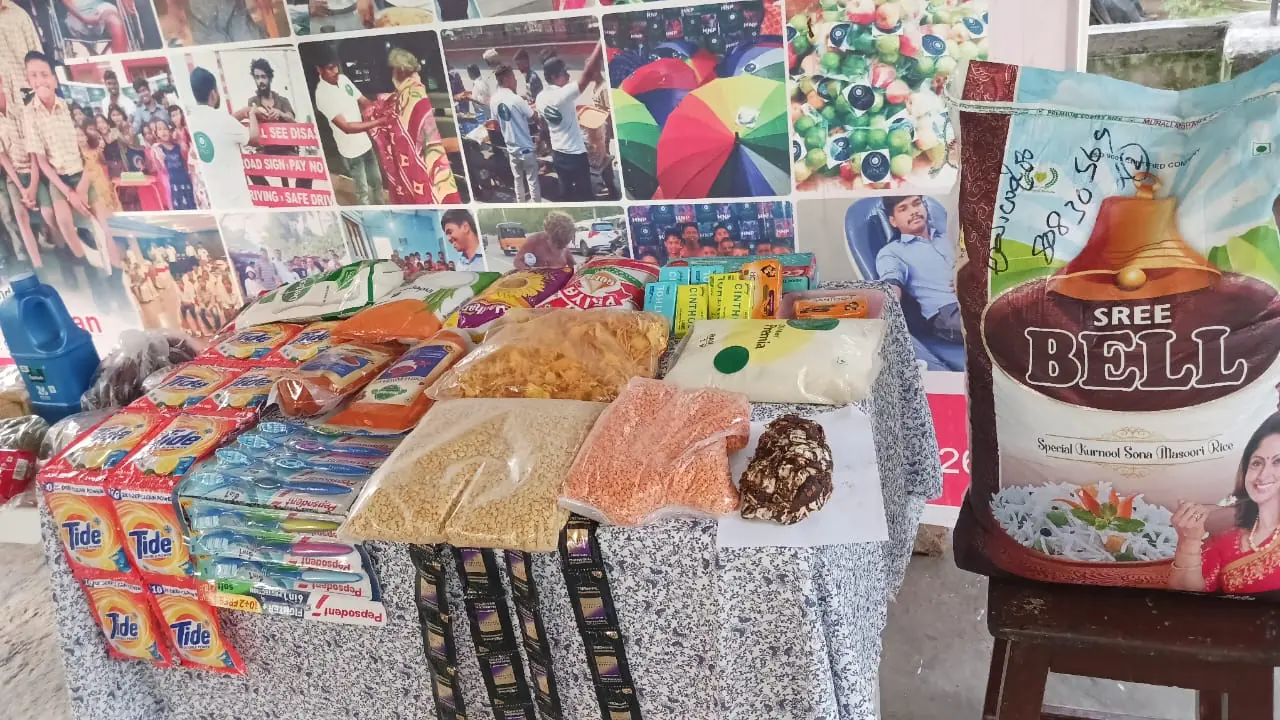
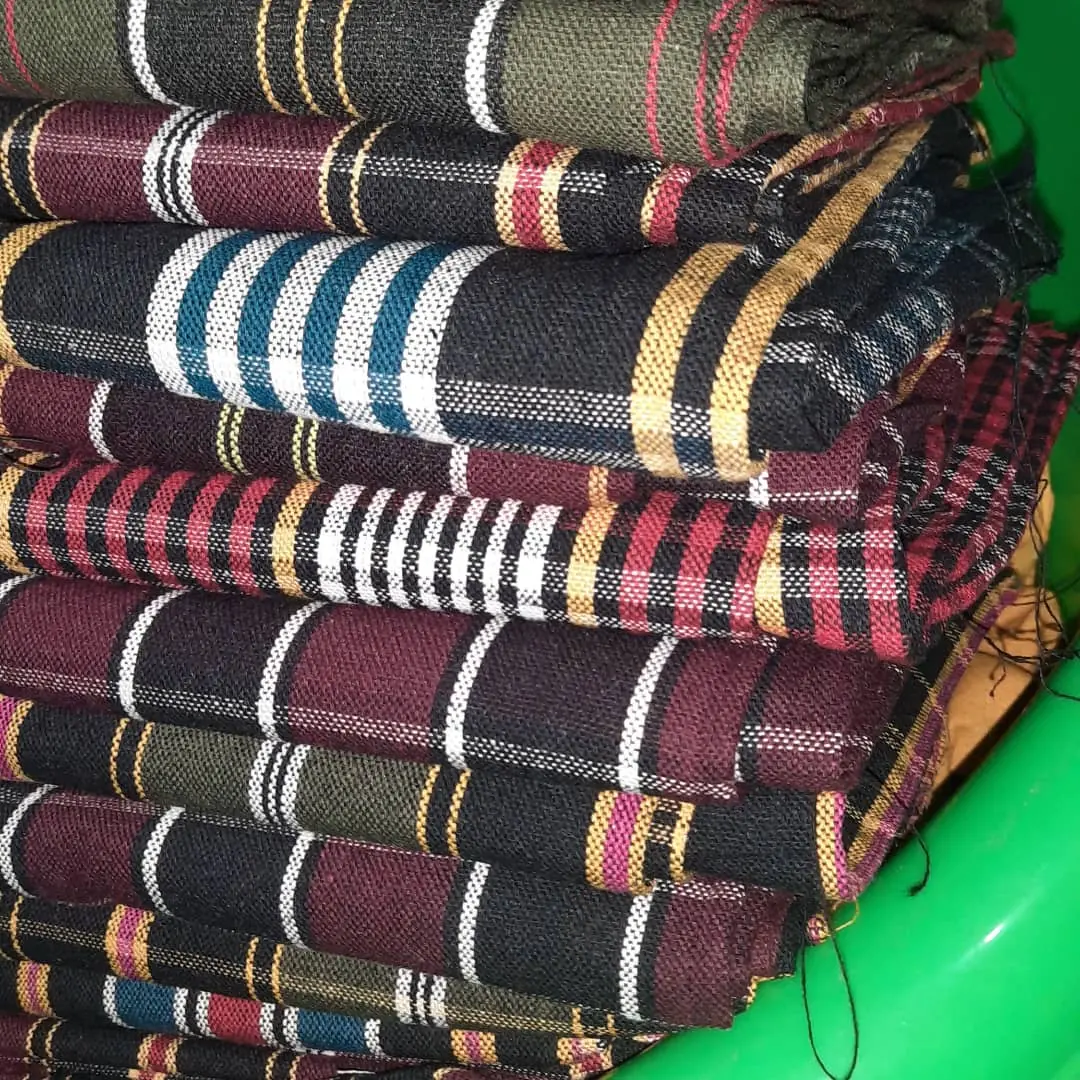
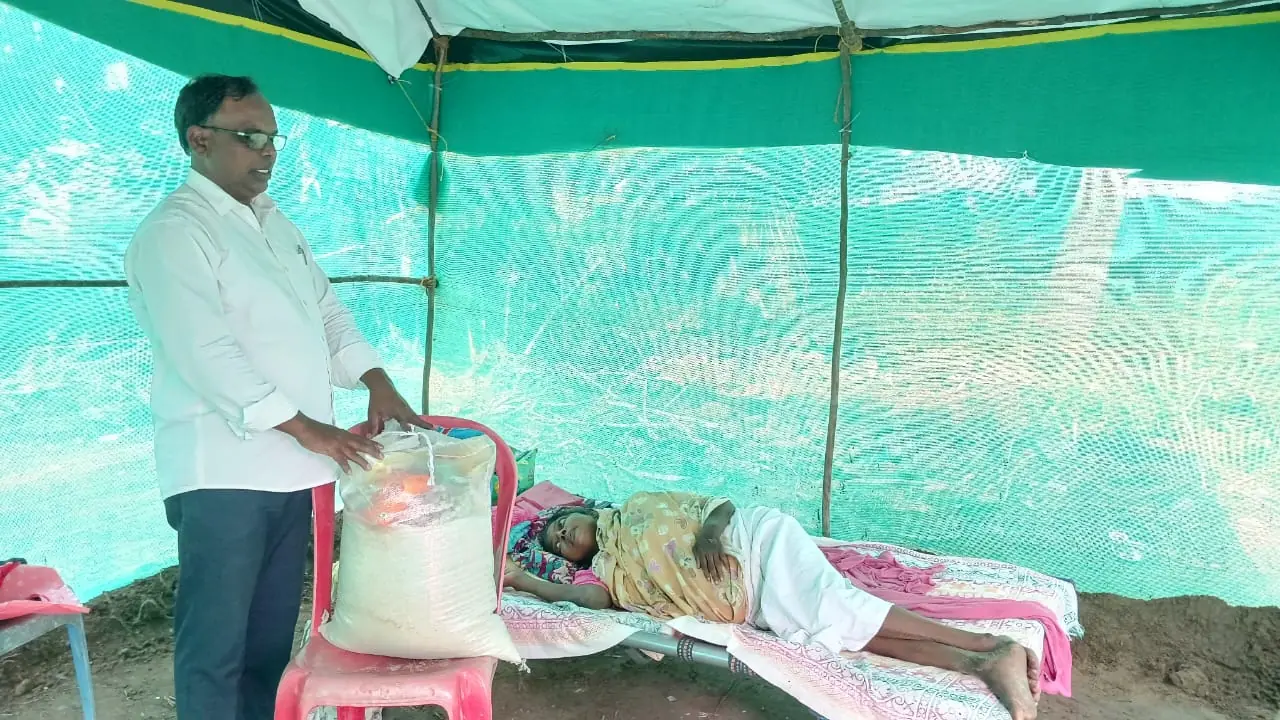
Our photos show how this looks on the ground. A volunteer in a supermarket loads a trolley with rice and groceries for a family. A tall stack of striped blankets waits for people who sleep outside. A volunteer carries a sack of rice to an old person lying in a tent.
We take each of the six needs and ask what the person in front of us lacks.
Shelter
A safe, clean and stable place to sleep is the foundation of everything. For homeless people, we cannot build houses, but we can give blankets, mats and umbrellas, and we can link people to shelters when places are free.
For children, shelter means a home where they feel protected and cared for. We visit the homes we support and ask what repairs and supplies are needed.
Food and nutrition
Proper nutrition is critical for the physical and mental growth of children. Our meals, groceries and rations are the largest part of this program.
The report says that balanced meals support health and development. We include fruit, eggs and vegetables wherever we can.
Clothing and healthcare
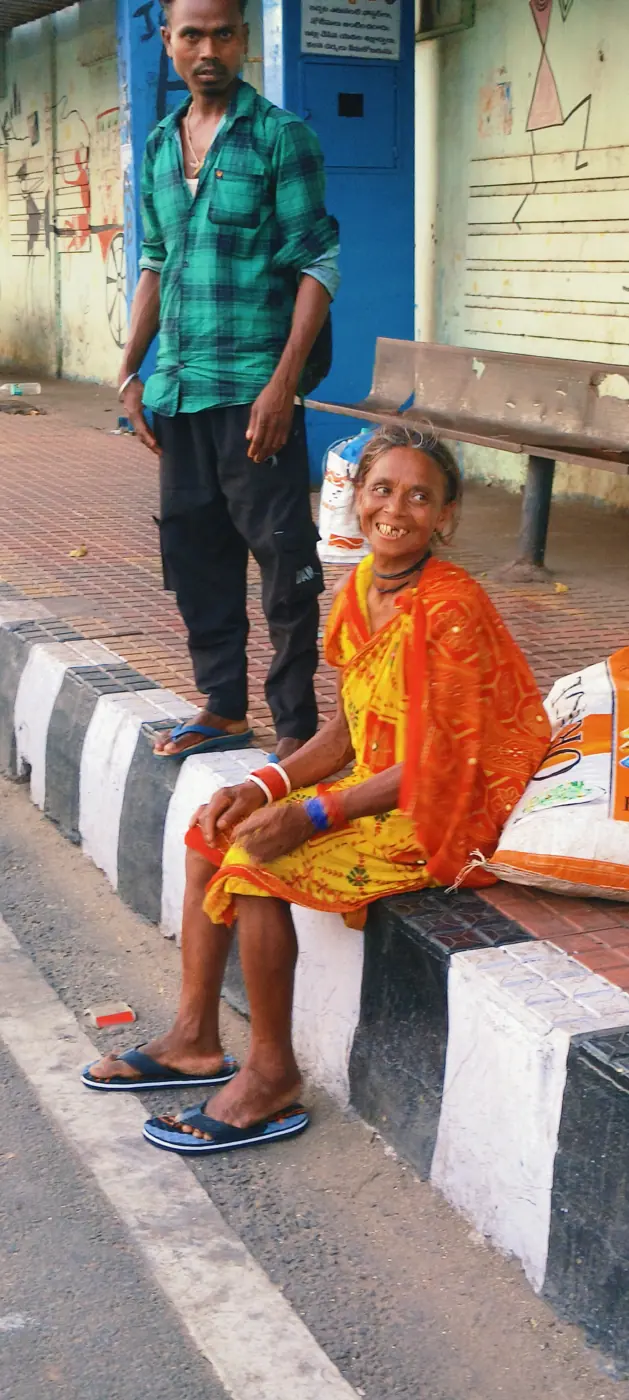
Adequate clothing keeps people comfortable and healthy in every weather. We give warm clothes for winter, light clothes for summer and sandals for people who walk barefoot on hot roads.
Access to regular medical checkups, vaccinations and treatment is vital. We run health camps and help people to find a hospital or a doctor when something is wrong.
Education and emotional support
Education is the key to a better future. We give books, notebooks and a place to study. For emotional support, a volunteer sits with a child, an elder or a widow and listens.
Children who have lost parents may carry trauma. A caring adult, a regular visit and a birthday cake do more than most people realise.
A family food kit, line by line
A good family kit holds rice, a pulse such as toor dal, cooking oil, salt, sugar, tea or milk powder, and a few spices. Where we can, we add eggs, onions, potatoes and soap. The exact list changes with the season and with the donor’s budget.
One of our photographs shows a volunteer pushing a supermarket trolley piled with bags of rice and groceries. The kit is bought in bulk and handed over in person, so that nothing is lost on the way.



When the weather turns
In winter, people sleeping outdoors need blankets and warm clothes. In summer, they need sandals, water and a hat. In the rains they need a roof, a plastic sheet or an umbrella. We try to give what the season demands, and our blanket drives and sandal drives are among the most visible parts of our work.
People on the street are also at risk of disease in every season. We ask the doctors at our camps to look at the ones who are unwell.
Getting people the documents they need
Without an identity card, a person cannot get a ration card, a bank account or a hospital bed. Many of the people we meet have lost their papers. A volunteer helps them to apply for a replacement or to start a new application.
This work is slow and unglamorous, but it changes lives. A ration card brings rice every month. A bank account brings a pension.
Why we tie gifts to a plan
A single meal is a gift. A single meal followed by a visit, a check-up, a school bag and a job course is a plan. We try to turn gifts into plans, one family at a time.
This is why many of our programs overlap. The family that comes for a grocery kit may also hear about a skill course, and the child who receives a book may also be invited to a health camp.
Questions to ask a family at a first visit
A first visit is for listening, not for lecturing. A volunteer sits down, accepts a glass of water, and asks how many people live in the house and who earns. The volunteer asks whether the children go to school, whether anyone is ill, and whether the family has a ration card and an identity card.
The volunteer also asks what the family wants. This is important. A family may say that they have food but cannot pay for a child’s medicine, or that they have a roof that leaks but no money to mend it. The best help answers the need that the family names.
At the end of the visit the volunteer says what the trust can do and what it cannot. Nobody is promised more than the trust can give.
How it works
How we decide what to give
We ask, we look, we give what is needed.
1
Ask
A volunteer asks the person what is missing.
2
Look
We see the home, the bed, the kitchen and the child’s school bag.
3
Give
We bring food, clothes, books or a doctor as needed.
4
Return
We visit again to see what has changed.
Questions
Basic needs questions
If you know a family in need, please tell us.
What counts as a basic need?
Shelter, food, clothing, healthcare, education and emotional support. The annual report names all six.
Do you give cash?
Mostly we give goods and services, such as groceries, clothes, books and medical help. This keeps the gift tied to the need.
Can I give a food kit to a family?
Yes. Call us. A kit of rice, oil, pulses and other groceries is one of the most useful gifts.
How do you choose families?
We visit, we ask neighbours and teachers, and we choose families who have no other regular support.
Do you help people from any religion or caste?
Yes. We help people in need and do not ask about religion or caste.
How can I volunteer for this program?
Fill in the volunteer form and say you want to help with visits and distribution.
How much does a family kit cost?
The cost depends on the market price of rice and oil on the day. Call us and we will tell you the current amount.
Do you deliver to homes?
We often deliver to the family’s home. A home visit tells us more than a form.
Can I give blankets in summer?
Yes. Blankets can be stored for winter. Please call first so that we have space.
How do I refer a family?
Call us or use the form on this page. Give the address, the number of people and a short note about the need.
Do you help people who have no address?
Yes. People who sleep on pavements, at bus stops and under bridges are among those we serve most often. We meet them where they are, serve food, give blankets and ask whether they need a doctor.
Can I give a gift in memory of someone?
Yes. Many families give a food kit or a blanket drive in memory of a parent or a child. Tell us the name, and we will mention it in the photograph that we send you.
Cover a family's basic needs this month
Rice, oil, a blanket and a school bag go a long way when they reach the right house.
Write to us
Ask about basic needs
Tell us what you would like to know or do about basic needs. A volunteer will call you back.
- +91 97036 30893 (call and PhonePe)
- +91 82972 92602 (second number)
- hnpcharitabletrust@gmail.com
- NPS Nilayam, Road No. 2, Gajuwaka S.O., Visakhapatnam, Andhra Pradesh 530026
Write to us
We use your details only to reply to this message. Read the Privacy Policy and the DPDP Act notice.