
Home / Our programs / Skill development
Program 06
A skill is the one gift that keeps giving
Food ends in a day. A skill can feed a family for years. Our skill development program teaches practical work to people who need an income.


What the report says
Thirty people, practical training, a way to earn
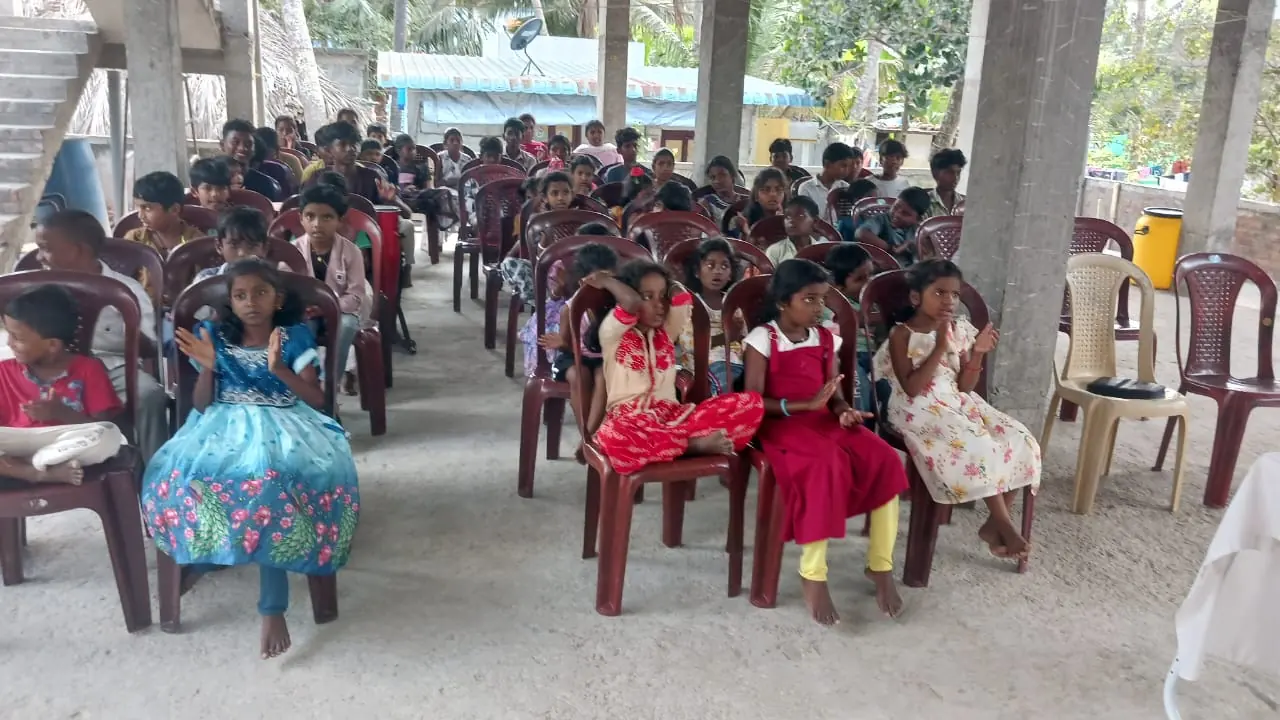
The annual report records that thirty beneficiaries took part in the skill development program in the reporting year. The aim was to give people valuable skills that would improve their chances of finding work or starting small businesses.
The trust organised workshops and training sessions based on the needs and interests of the participants. The report names tailoring, embroidery, computer literacy and basic financial management. The modules were designed to be practical and linked to what employers and customers need.
At the end, participants were encouraged to use their new skills to look for a job or to begin a small work of their own. The trust provided the room, the materials and the instructors.
Why we start with skills
A family that has one steady income can send its children to school, pay rent and buy medicine. A family that has none depends on gifts. We would rather help a person stand than carry her.
Skills also give dignity. A woman who stitches blouses for her neighbours is not asking anyone for help. She is running a small business.
The four skills in the report
Tailoring is the most direct. A sewing machine and a few months of practice can turn into an income from stitching blouses, school uniforms and repairs. Embroidery adds value to the same cloth and suits women who prefer to work at home.
Computer literacy helps people who want office work or who need to fill in forms online. Basic financial management teaches saving, keeping accounts and avoiding high-interest loans.
Teaching methods
Classes are short and hands-on. Participants spend most of the time practising, not listening. An instructor sits with each person and corrects the work.
We ask participants about their needs before the course starts. A woman who cannot leave home for more than two hours should not be given a course that runs for six.
After the course
The report mentions that participants are encouraged to apply their skills either in seeking employment or in starting their own work. We help with simple things: a letter for a shop, a contact with a tailor who needs help, or a link to a bank for a small loan.
We keep in touch for several months after the course. If a participant has found work, we are glad. If she has not, we ask what stopped her and try again.
What a tailoring course teaches
A good tailoring course starts with measuring. A learner takes the measurements of a real person, draws a pattern on paper, cuts cloth and stitches a simple garment. The first items are usually a petticoat, a blouse and a children’s frock, because the patterns are short and the mistakes teach quickly.
The learner then moves to finishing: hems, buttonholes, zips and linings. Repairs and alterations are a steady source of income for a tailor, and a person who can do them well always finds customers.
Embroidery and hand work
Embroidery adds value to plain cloth. Stitches such as chain, satin, and french knots are taught first. Learners then practise on cloth bags, table covers and blouse borders.
Hand work can be done at home in the gaps between household chores. That is important for women who cannot leave the house for long. A good piece sells for several times the cost of the thread.
Computer literacy for the first time
A beginner learns to switch on a computer, use a mouse and a keyboard, type in English and in Telugu, save a file and print it. Next comes a word processor, then a spreadsheet for simple accounts.
Learners also practise filling an online form, sending an e-mail and finding a government scheme on a website. These skills are used at a bank, a post office or a college.
Money management in simple steps
The report lists basic financial management as one of the modules. A participant learns to write down what comes in and what goes out, to save a small amount each week, and to compare the cost of a loan before taking it.
We warn against loans with very high interest and against schemes that promise quick money. A small savings group of friends is safer than a lender at the street corner.
Choosing the right skill for the right person
A skill must fit the person. A mother of three small children needs something she can do at home in the afternoon. A young man who has dropped out of school may prefer a trade with a workshop. A person with a disability needs a task that matches what she can do comfortably.
Before a course begins, a volunteer sits with each participant and asks about her time, her home, her health and her goals. The answers guide the choice of course. A person who chooses her own skill is far more likely to finish the course and use it.
It also helps to look at the local market. If ten tailors are already working on the same street, a new tailor may need to find a niche such as school uniforms or bridal wear.
How it works
How a course runs
Short, practical and linked to real work.
1
Ask
We meet the participants and ask what work they want to do.
2
Teach
An instructor demonstrates and each person practises.
3
Practise
Participants make real items, such as a blouse or a form.
4
Connect
We help them reach customers, shops or a bank.
Questions
Skill program questions
We are always looking for teachers and for machines that are no longer used.
Is there a fee for the courses?
No. The training, space and instructors are provided by the trust.
Who can join?
Adults and older teenagers who need an income and are ready to practise regularly. Women who have lost their husbands are given priority.
How long is a course?
Course length depends on the skill. We tell each participant at the start.
Can I donate a sewing machine?
Yes. Machines in working order are useful. Call us and we will arrange pick-up.
Can I teach a skill?
Yes. A tailor, a computer teacher, a beautician or a shopkeeper can all teach a skill. Call us.
Do you guarantee a job?
No. We teach the skill and help with contacts. The work itself depends on the market and on the person.
How many people sit in one batch?
We keep batches small so that an instructor can correct each learner. The report records thirty participants in the reporting year.
Do you give a certificate?
We give a letter of participation. A formal certificate depends on the training partner for each course.
Do participants get materials?
The report says the trust provided infrastructure, training materials and expert instructors.
Can a man join the tailoring course?
Yes. The courses are open to all adults who need an income.
Can a group request a course in their village?
Yes. A group of ten or more people with a common need can ask us for a course. We will visit, talk to the group and see what is possible.
What happens to the machines after a course?
Where donors give machines, we try to leave them with the group so that participants can keep practising and earning. We note which machine belongs to which group.
Help someone earn their own living
A sewing machine, a teacher or a seat in a course changes a family’s year. Please give what you can.
Write to us
Ask about skill development
Tell us what you would like to know or do about skill development. A volunteer will call you back.
- +91 97036 30893 (call and PhonePe)
- +91 82972 92602 (second number)
- hnpcharitabletrust@gmail.com
- NPS Nilayam, Road No. 2, Gajuwaka S.O., Visakhapatnam, Andhra Pradesh 530026
Write to us
We use your details only to reply to this message. Read the Privacy Policy and the DPDP Act notice.