
Home / Programs
Our programs
Ten programs, one aim: help the person in front of us
The annual report 2023-24 describes ten programs. Each has its own page with what we do, how it works, the photographs from the field, a short list of questions and a way to help.


Choose a program
Every program starts with a person who needs something
Open a card to read the full page.
Health check-up camps
Doctors, nurses and volunteers set up a free clinic in a neighbourhood hall for one day.

Road safety awareness
Simple rules about helmets, signals and crossing, taught to students and neighbours.

Culture programs
Independence Day, festivals and birthdays that bring children and neighbours together.
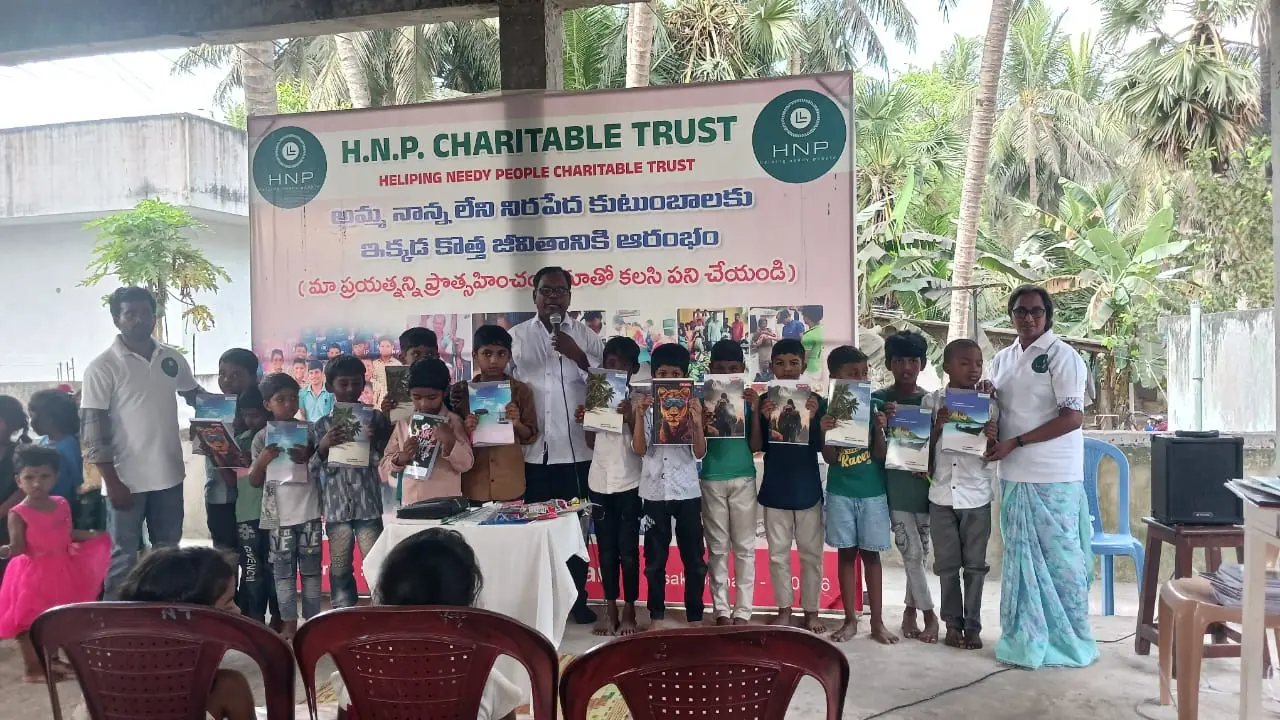
Book distribution
Notebooks and study material for children whose families cannot buy them.

Food and clothes for children
Breakfast, lunch and dinner for children, and clothes that fit.

Skill development
Tailoring, embroidery, computer basics and money management for people who need an income.
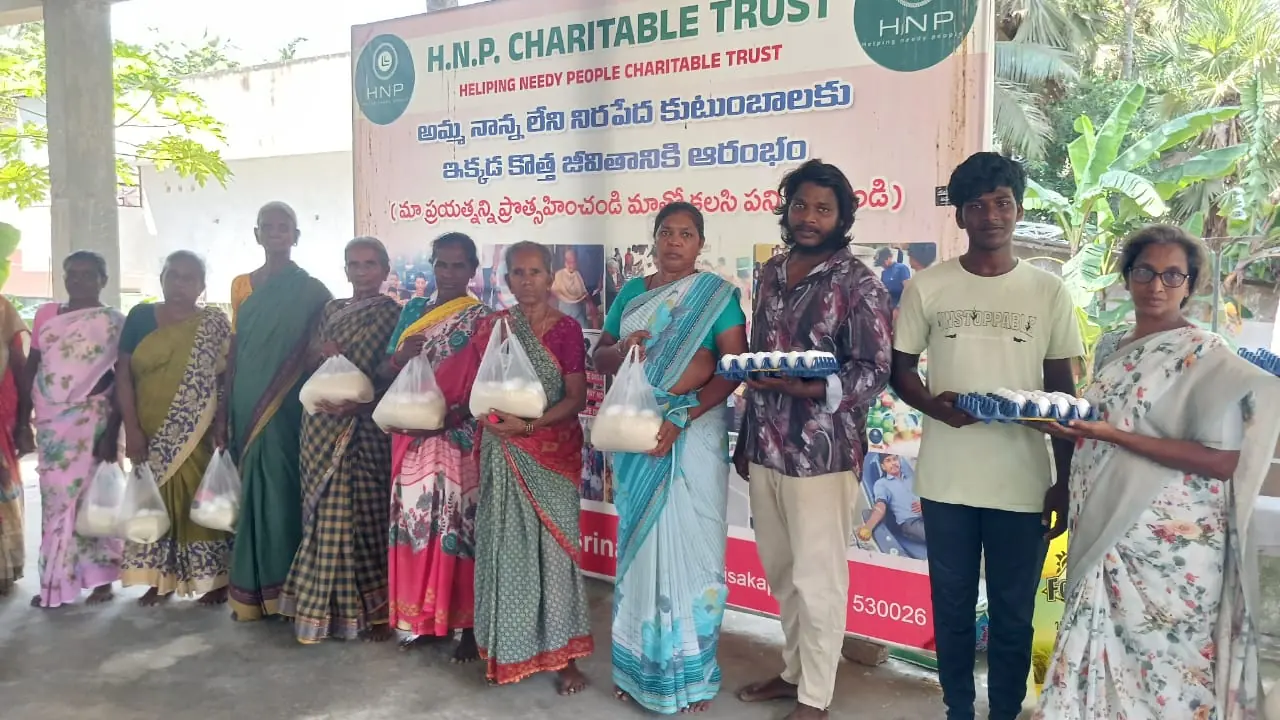
Women support
Food, skills, advice and a listening ear for women who carry a family alone.

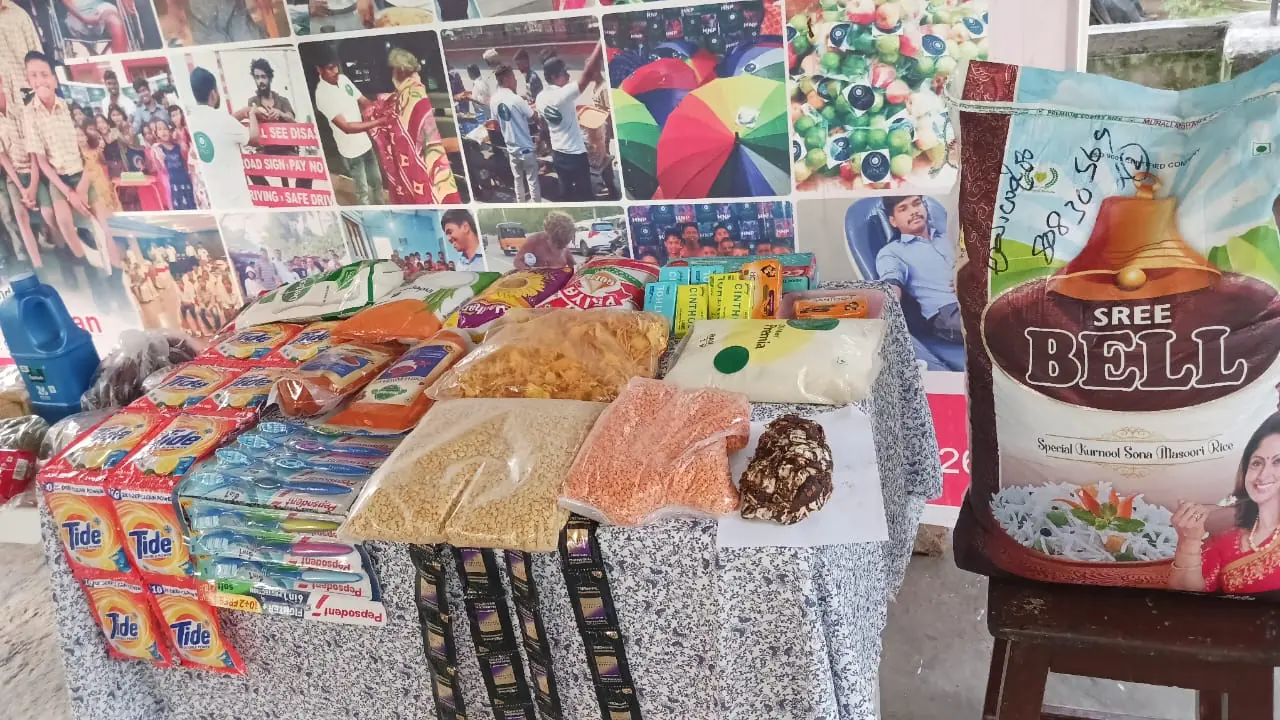
Basic needs
Shelter, food, clothing, health care, schooling and a person who listens.
Orphanage care
Visits, meals and celebrations for children who have lost their parents.
How the programs fit together
The programs are not ten separate projects. A family that comes for a food kit may also hear about a skill course, and a child who receives a notebook may also be invited to a health camp. Volunteers who meet a family for one reason often discover another need.
We try to keep the circle small. When one program reaches a person, we ask what else that person needs and whether another program can help.
Where the ideas come from
The ten programs are listed in the trust’s annual report 2023-24, together with a short description of each. We have added pages for each one with the photographs and the practical details that visitors ask about.
The descriptions explain what each program aims to do and how it is organised. Where we give a number or a date, it comes from the report, a poster or a photograph in our own records.
How to support a program
You can sponsor a single event, such as a health camp or a meal. You can give a particular kind of item, such as notebooks or blankets. You can give time as a volunteer. Or you can give a general gift and let the trust decide where it is needed most.
Every program page ends with a short form. Use it to ask a question or to say which program you want to help. A volunteer will call you back.
In a few words: the first five programs
Health check-up camps bring a doctor and a nurse to a neighbourhood hall for a day, so that blood pressure, sugar, heart, eyes and teeth are checked without a fee. Road safety awareness uses posters, short talks and a walk along a busy road to teach children and adults why helmets, signals and slow speeds matter.
Culture programs mark Independence Day, festivals and birthdays with songs, sweets and flags. Book distribution puts notebooks, pens and bags into the hands of children whose parents cannot buy them. Food and clothes for children gives breakfast, lunch and dinner, and clothes that fit, to children in homes and on the street.
In a few words: the last five programs
Skill development teaches tailoring, embroidery, computer basics and money management to people who need an income. Women support offers food, skills, advice and a listening ear to women who carry a family alone, including women who have lost their husbands.
Creative education uses stories, drawing, puzzles and group work to make learning feel like play. Basic needs covers the six things a person needs to live with dignity: shelter, food, clothing, health care, education and emotional support. Orphanage care supports homes for children who have lost their parents and visits the children as friends.
How we measure what we do
We count what we can count honestly: the children who received books, the people who took part in a course, the plates that were served at an event. Where we have no list, we do not give a number.
The annual report records thirty children in the book program and thirty participants in the skill program. For the other programs, the report describes the aim and the activity without a count, and we follow the report.
How programs are chosen and changed
A program stays only if it helps the people it is meant to help. After each event the volunteers meet and ask what worked and what did not. A camp that had a long queue and a short supply of medicines is a lesson for the next camp.
Programs also change with the season and with donors’ gifts. In winter, blankets and warm clothes take priority. At the start of the school year, books and bags do. If you can give for a particular program, tell us.
Who the programs are for
The programs are for people who have no other regular help: children whose parents cannot buy books, elders who live alone, women who have lost their husbands, families whose breadwinner has been injured, and people who live on the street. Some are for the neighbourhood as a whole, such as health camps and road safety talks.
We do not ask people to prove need with papers. A volunteer visits, listens and sees. Where a person has a document, we are glad to look at it, but we do not turn people away because they have none.
How to take part in more than one program
A single volunteer can help with several programs. A teacher might join a book distribution day in the morning and a creative session in the evening. A doctor might work at a health camp and also give a talk at a school.
A donor can also give to more than one program. A monthly gift can be split between food, books and health camps. Tell us how you would like it divided, and we will keep to it as closely as we can.
When a program is not the right fit
Some needs do not fit a program. A person who needs surgery, a family that needs a house, or a child who needs a long-term place in a school cannot be helped by a single event. In those cases we talk to the person, make calls, and point them to the right office or hospital.
We prefer to say plainly what we cannot do. A false promise would waste a family’s time and break their trust.
A note on language and place
Our volunteers speak Telugu, Hindi and English, and we try to talk to each person in the language they are most comfortable in. A health camp talk in the wrong language is no help at all. A road safety poster that a child cannot read is only a picture.
Most of our work is in Visakhapatnam, in the neighbourhoods around Gajuwaka and in villages a short ride away. We go farther when a home or a group asks us and we have the people to do it.
Thank you for reading
If you have read this far, you already care. The next step is small: call, write, give or come. Each of those steps changes a day for somebody.
We look forward to hearing from you.
Not sure where to start?
Call us and tell us how much time or money you can give. We will suggest a program that fits.
Write to us
Ask about any program
Tell us which program you would like to know more about. A volunteer will answer.
- +91 97036 30893 (call and PhonePe)
- +91 82972 92602 (second number)
- hnpcharitabletrust@gmail.com
- NPS Nilayam, Road No. 2, Gajuwaka S.O., Visakhapatnam, Andhra Pradesh 530026
Write to us
We use your details only to reply to this message. Read the Privacy Policy and the DPDP Act notice.