
Home / Our programs / Orphanage care
Program 10
A home is more than a roof
Children who have lost their parents need a family around them. Our orphanage care program supports the homes that look after them, and visits the children as friends.


In the homes
Volunteers who sit on the floor with the children
An orphanage is a place that gives shelter, care and support to children who have lost their parents or cannot live with their families. The annual report calls such homes safe havens that offer food, clothing and health care, together with education and emotional well-being.
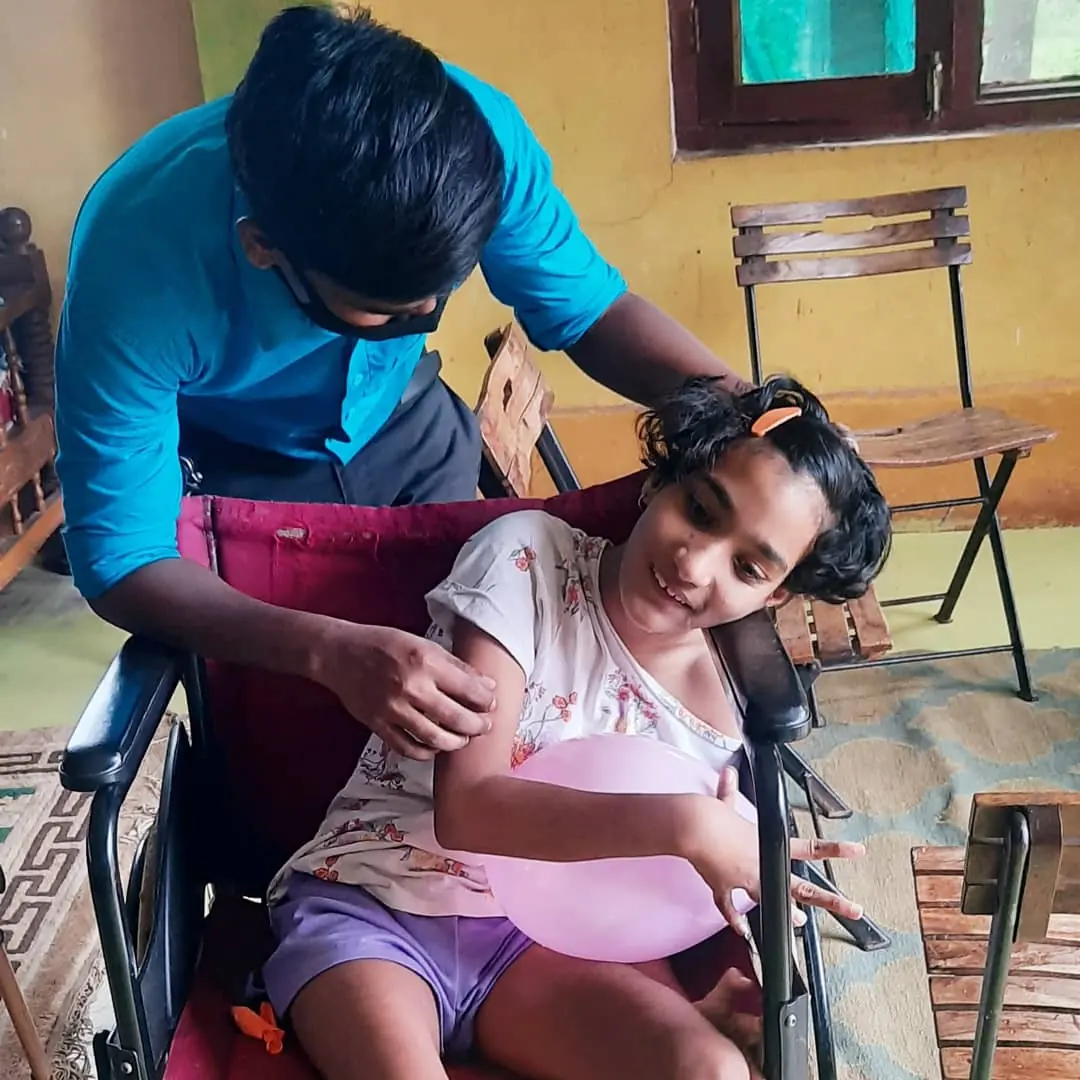
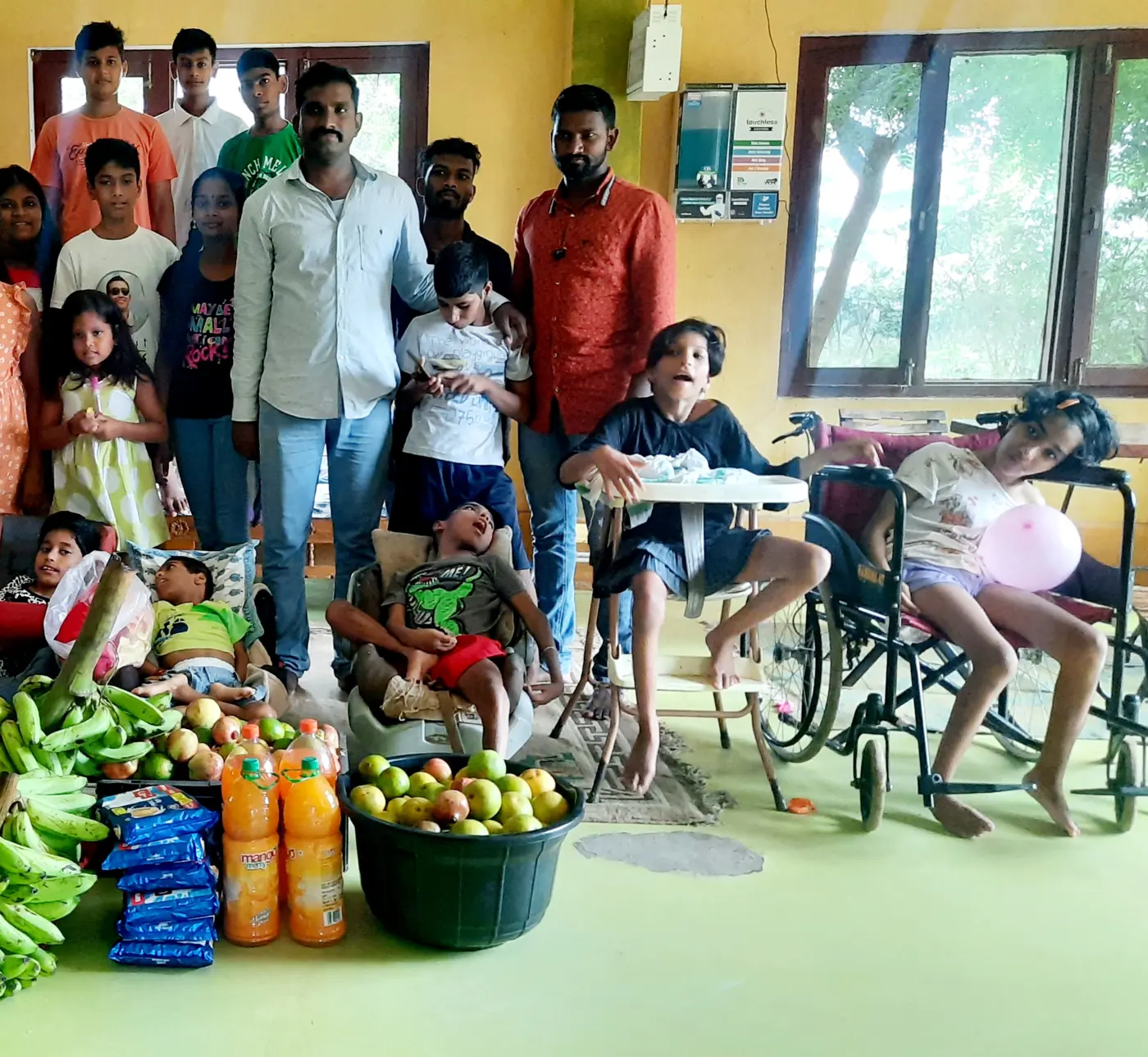
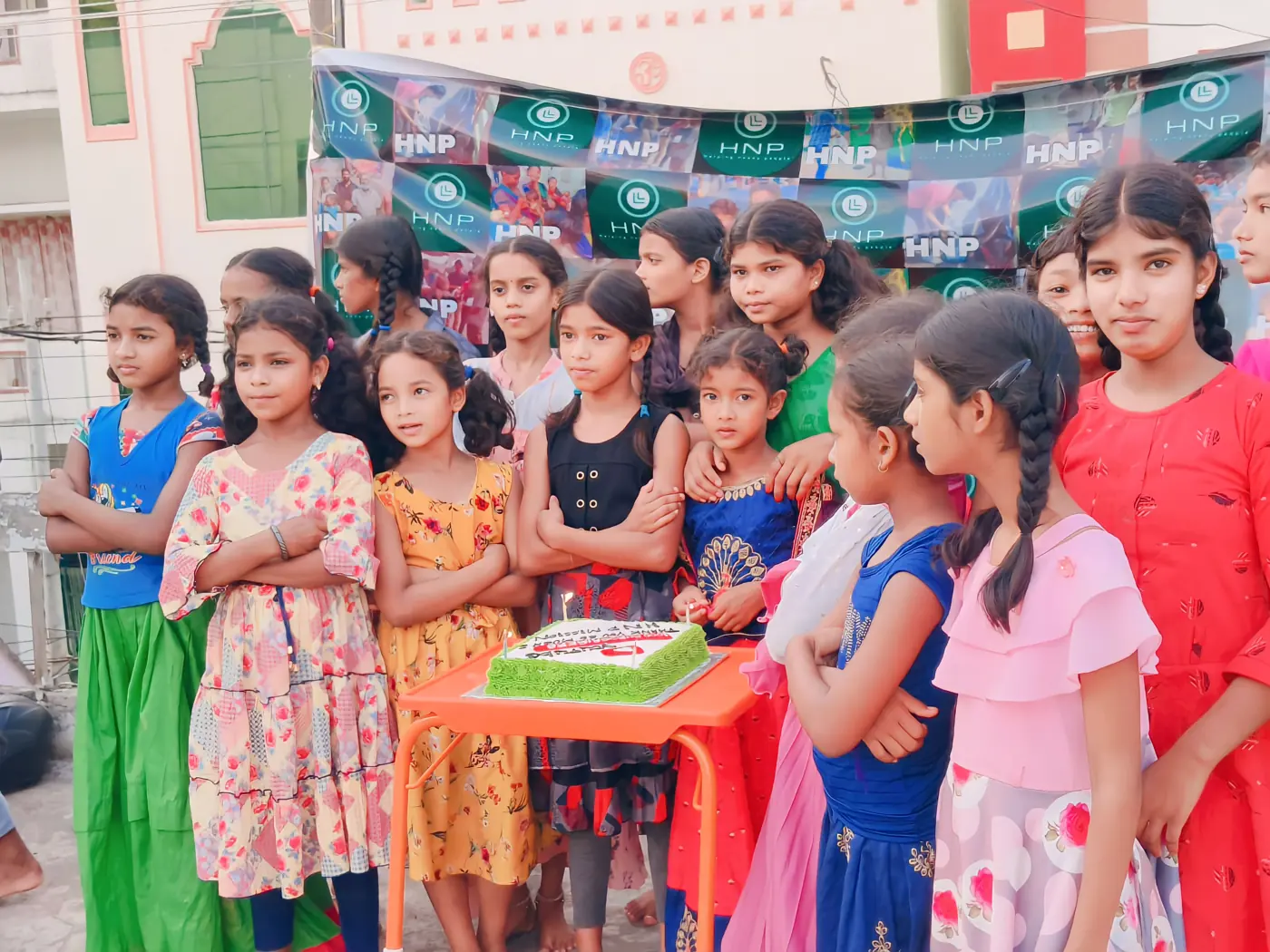
Our photos show how we take part. A volunteer feeds a girl who uses a wheelchair. Another sits among a circle of children to hand out fruit. Boys and girls line up for a cake. These small moments are what make the child feel seen.
The report also notes that many homes work to reunite children with their extended families or to arrange adoption, so that every child has a chance to grow up in a loving and stable environment.
What we bring
Each visit has a purpose. Sometimes we bring a meal that the children choose. Sometimes we bring fruit, juice and groceries. Sometimes we bring a cake, a gift or school things.
In one visit shown in our photos, volunteers arrived with a heap of bananas, oranges and bottles of juice. Children in wheelchairs and on mats gathered around the baskets and volunteers stayed for hours.
Why regular visits matter
A child in a home meets many visitors who come once and never return. Each leaves the child with a hope that is later broken. We try to come back, and when we say we will, we do.
Regular visits also let us notice changes. A child who has stopped eating, a roof that leaks or a bed that is broken can be fixed before it becomes serious.
Children with special needs
Some homes look after children with disabilities. Our photos from the home at Kondakarla show children in wheelchairs and special seats, and volunteers who sit beside them and share the fruit.
These children need more time and more patience than most. We follow the lead of the staff, who know each child’s habits, and we give help only in the way the child likes.
Respect and privacy
Children in homes are not exhibits. We take photos only to show donors what is being done, and we ask the home’s caretaker before we take any. A child’s name is never published with a photo.
If you are a caretaker and you want a photo taken down, write to us and we will remove it the same day.
What children in homes say they miss
Children in homes often need most what money cannot buy. They want someone to come back. They want a birthday to be noticed. They want a hand on the shoulder. A bag of sweets is welcome, but a sincere visit means more.
This is why a good volunteer stays for a long time at each home. They sit on the floor, play simple games, and listen to the children’s stories.



A good gift list for a home
The most useful gifts for a home are not the most exciting. Rice, oil and pulses are used every day. Soap, towels and bedsheets wear out. School bags and uniforms are needed at the start of the year. Medicines and a first-aid box are needed at all times.
If you want to give something special, give a good meal on the child’s birthday or a cake for the whole home. Everyone remembers a party.
Working with the caretaker
The caretaker knows each child, and our volunteers follow her lead. We call before we come. We ask what is needed. We take photographs only with her permission. We never promise a child that we will return on a date we cannot keep.
A good caretaker is overworked and underpaid. A volunteer who offers to cook, to teach or to wash dishes gives her a rest and shows her that she is appreciated.
Growing up and leaving
A child who grows up in a home must one day leave. Many do not have a family to go to. A good home prepares its children with school, a skill and some savings. The trust’s skill development and book distribution programs are meant to help in this stage.
If you are an employer, a teacher or an artisan, and can offer a young person a first job or an apprenticeship, please call us.
A short guide for first-time visitors
Arrive on time and keep the visit short for the first time. Greet the caretaker first. Ask where you may sit and what the children are allowed to eat. Put your phone away, except when you take a photograph with permission.
Do not ask a child about his parents or how he came to the home. Let him tell you if he wants to. Do not make promises that you cannot keep. If you say you will return next week, return next week.
Bring a gift that can be shared by all, so that no child feels left out. Keep your voice gentle and your language simple. When you leave, thank the caretaker and ask whether there is something specific that the home needs.
How it works
A visit to a home
Four steps that we repeat.
1
Call ahead
We speak to the caretaker and agree a day and a time.
2
Bring
Food, fruit, a cake or a needed item chosen with the caretaker.
3
Stay
Volunteers sit, serve, play and talk with the children.
4
Report
We tell donors what was done and what is needed next.
Questions
Orphanage care questions
If you manage a home that needs help, please get in touch.
Do you run an orphanage?
We support the homes that look after children and visit them. The trust’s annual report lists orphanage care as one of its programs.
Can I visit a home with you?
Yes. Fill in the volunteer form, and we will tell you when the next visit is planned.
Can I give a gift to a child?
Please give gifts through the caretaker so that every child receives something and nobody is left out.
Can I adopt a child through the trust?
No. Adoption is handled by the authorised agencies. We can tell you whom to approach.
What does a home need most?
Food, clothes, books, medicine and regular visitors. Ask the caretaker of each home, because every home is different.
How can I sponsor a celebration?
Choose a date, tell us the number of children and we will buy the cake and sweets.
How many homes do you visit?
Our photographs show visits to several homes, including one in Kondakarla. We do not publish a total, because the list changes.
Do you give money to homes?
We give food, supplies and time. When a home has an urgent need that money can solve, we discuss it with the donor.
Can a school class visit?
Yes, with the caretaker’s permission. A class that visits should bring a plan and some simple gifts, and should leave the home as clean as they found it.
What if I find a child in need of a home?
Call the child helpline on 1098 or the local police. We can help with food and care in the meantime.
Can I help a home with repairs?
Yes. A leaking roof, a broken door or a damaged tap affects the children every day. If you are a plumber, an electrician or a mason, or can fund a repair, tell us and we will speak to the caretaker.
Can I teach a class at a home?
Yes. A weekly class in English, mathematics, drawing, music or computers helps the children, and the home benefits from a regular visitor. Fill in the volunteer form and tell us the subject.
Visit a children's home with us
Your time is the one thing the children cannot buy. Come once and see.
Write to us
Ask about orphanage care
Tell us what you would like to know or do about orphanage care. A volunteer will call you back.
- +91 97036 30893 (call and PhonePe)
- +91 82972 92602 (second number)
- hnpcharitabletrust@gmail.com
- NPS Nilayam, Road No. 2, Gajuwaka S.O., Visakhapatnam, Andhra Pradesh 530026
Write to us
We use your details only to reply to this message. Read the Privacy Policy and the DPDP Act notice.