
Home / Volunteer
Volunteer
Give an hour, a skill or a weekend
Most of our work is done by volunteers. Students, office workers, doctors, drivers and cooks have all given time. You can come once or every week.

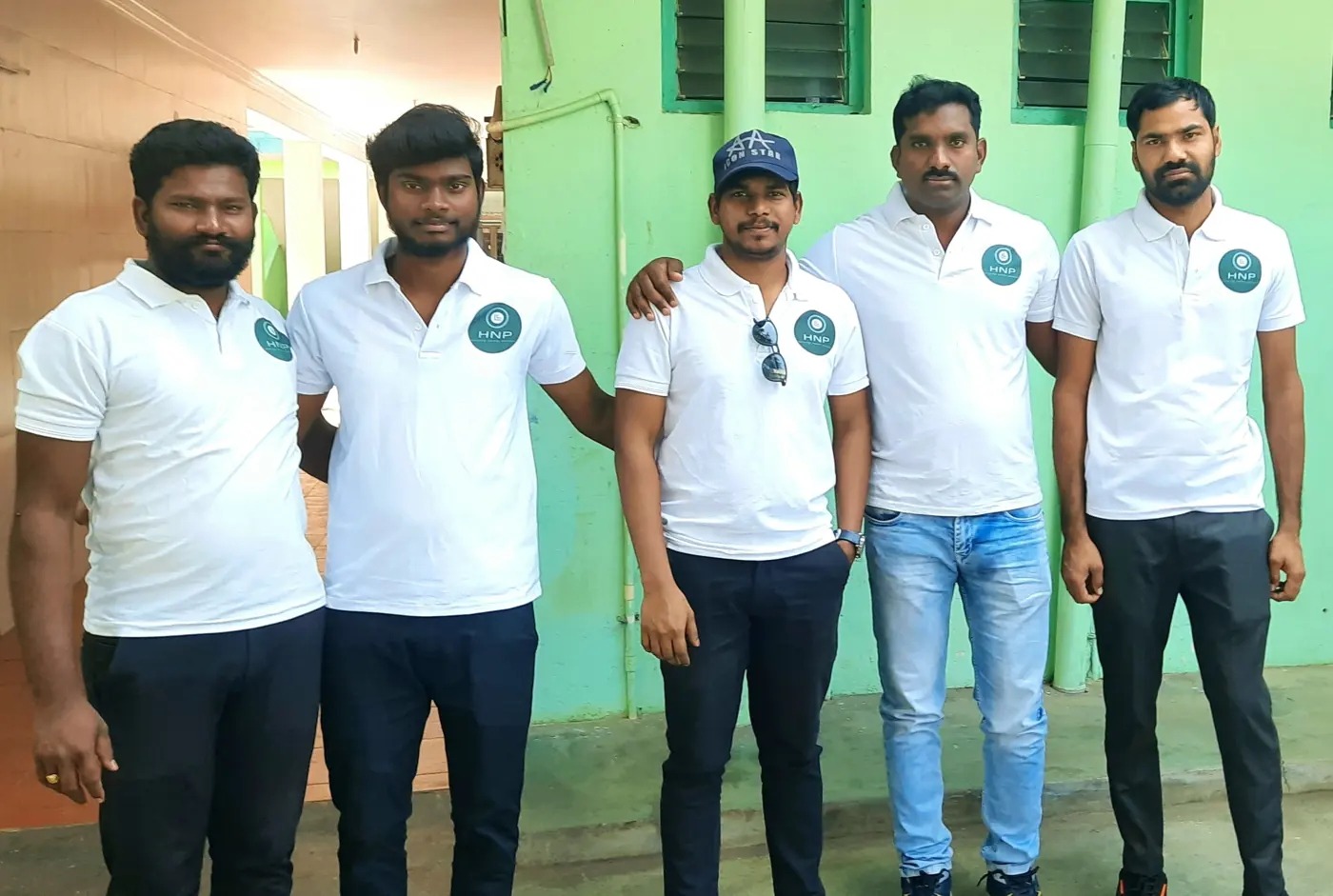

What volunteers do
Volunteers help with cooking, packing and carrying food, handing out blankets and sandals, registering people at health camps, sitting with children in homes, teaching and reading to children, visiting old age homes, taking photographs with permission and writing messages to donors.
You do not need a qualification. You need to be on time, to be kind and to follow the instructions of the volunteer in charge. We give each new volunteer a short briefing before the first task.
Skills we need
Doctors, nurses, dentists and eye specialists are needed at health camps. Teachers, students and artists help in children’s homes. Drivers and riders help to carry food. Cooks are always welcome. Writers, photographers and designers help us to tell the story. Lawyers and accountants can advise on papers.
If you have a skill that is not on this list, tell us anyway. We will find a use for it.
How much time it takes
A food service takes a morning or an evening. A health camp takes a day. A visit to a home takes two hours. You may come when you are free and tell us when you cannot. A volunteer who comes every month is as welcome as a volunteer who comes every week.
We ask only that you tell us in advance if you are not coming, so that the work does not stop for one missing pair of hands.
Staying safe and respectful
Volunteers wear the trust’s t-shirt when they serve, and carry a phone. We ask them to treat every person with respect, to ask before taking a photograph and never to post the picture of a child without permission.
We do not send a volunteer alone into a home or a place that is not safe. We ask volunteers to work in pairs where possible.
How it works
From form to first day
Four steps.
1
Write
Fill in the form below with your name, phone number and what you would like to do.
2
Talk
A volunteer calls you back and answers your questions.
3
Join
You come to the next activity and meet the team.
4
Continue
You choose how often to come, and we send you a short message before each activity.
Questions
Volunteer questions
If your question is not here, call us.
Can students volunteer?
Yes. Many of our volunteers are students. Please tell us your college timetable so that we can plan around it.
Do you give a certificate?
Please ask. We can discuss a letter of participation for students who volunteer regularly.
Can I bring my family?
Yes. Families are welcome at food services and celebrations. For visits to homes, please check with the caretaker.
Do I need to pay anything?
No. Volunteers are not charged. Many choose to give a gift, but it is never required.
Can I volunteer from another city?
Yes. You can help online by sharing our pages, writing to donors or designing posters. Write to us and tell us your skill.
Is there an age limit?
Adults can volunteer on their own. Teenagers should come with a parent or a teacher.
Can I volunteer for a single event?
Yes. Many people join for one event, such as a health camp or a festival day.
A day with the team
A typical volunteer day starts with a call to the volunteer in charge. You are told where to meet and what to wear. You help to cook, pack or load. You travel with the team to the place of service, and you hand out food or supplies alongside the others.
After the activity, the team cleans up and returns the equipment. A volunteer takes photographs with permission, and someone writes a short message to the donors. You are free to go home, or to stay for a cup of tea and a chat.
What new volunteers say they learn
Many new volunteers say that the first day is the hardest. They are shy. They do not know what to say. By the end of the day, most of them have handed a plate to a stranger and been thanked. That is how people begin.
You will also learn practical things: how to cook for a hundred people, how to talk to a frightened child, how to lift an elderly person safely, how to organise a queue.
For colleges and companies
Student groups, college clubs and company teams can volunteer together. Tell us the number of people and the date. We will plan a task that suits the group and brief them in advance.
Groups should bring their own lunch for the day unless the task includes a meal. Please keep the group to a reasonable size, so that the people we serve are not overwhelmed.
Volunteering with your family
A family can volunteer together at a festival day, a food service or a visit to a home. Children learn by watching. A child who hands a banana to another child learns that giving is a normal thing to do.
Please keep young children close and let them help only with light tasks, such as handing out fruit or sweets. Leave the cooking and carrying to adults.
If you cannot come in person
You can still help. Share our pages with friends. Write a message to a donor to thank them. Design a poster for a camp. Translate a page into another language. Collect notebooks at your school or office.
If you live in another city, you can organise a collection of clothes or books and send them to us. Call first so that we can plan the delivery.
When you want to stop
Volunteering is free and voluntary. If you can no longer come, tell us and we will thank you. You can return at any time. We would rather have a volunteer who comes for six months and leaves on good terms than one who stays but is unhappy.
We will not chase you for time or money. We will remember what you gave.
What we ask of every volunteer
Be on time. Wear the trust’s t-shirt when you serve. Treat every person with respect. Ask before you take a photograph. Never take money from a person we serve. Never promise help that you cannot give. Tell the volunteer in charge if you see a problem.
These simple rules protect the people we serve and the volunteers themselves, and they keep the trust’s name clean.
Thanking volunteers
Volunteers are thanked at every activity, in person. We share photographs with them afterwards. We celebrate festival days together. We do not give prizes or rankings, because the work is not a contest.
The best thanks is when a person we served remembers a volunteer by name and smiles. We hope you will see that on your first day.
Your first message
If you are not sure what to write in the form, here is a simple example: your name, your area, the days you are free, whether you can cook, drive, teach or take photographs, and anything else you want us to know. A short message is enough.
We will call you within a few days. If you do not hear from us, call the trust number and remind us.
Safety on the road
Many of our activities involve travel by motorbike or on foot along busy roads. Wear a helmet when you ride, keep to the left, and never carry more than one passenger. Cross roads at a crossing where you can.
If you feel unwell, tell the volunteer in charge and rest. Drink water, wear light clothes in the heat and carry an umbrella in the rains. We would rather you stay safe than finish a task.
Write to us
Tell us you want to volunteer
Fill in the form and choose “Volunteer with the trust”. A volunteer will call you back.
- +91 97036 30893 (call and PhonePe)
- +91 82972 92602 (second number)
- hnpcharitabletrust@gmail.com
- NPS Nilayam, Road No. 2, Gajuwaka S.O., Visakhapatnam, Andhra Pradesh 530026
Write to us
We use your details only to reply to this message. Read the Privacy Policy and the DPDP Act notice.